Category: Uncategorized
How to Choose the Right Paper Weight for Your Print Project
[IMAGE 1: Hero image – Various paper samples of different weights and finishes fanned out on a table]
Alt text: “Printing paper weight guide – different GSM paper types for printing in Dubai”
Size: 1200 x 630px
One of the most common questions we hear from customers is: “What paper should I use?” The answer depends on what you’re printing, how it will be used, and the impression you want to make. This guide breaks down everything you need to know about paper weight, types, and finishes for printing in Dubai.
What Does GSM Mean?
GSM stands for grams per square metre, and it’s the standard measurement for paper weight worldwide. A higher GSM means a thicker, heavier sheet of paper. Think of it this way: standard printer paper is around 80 GSM. A business card is typically 350-400 GSM. The higher the number, the more substantial the paper feels in your hand.
Paper Weight by Product Type
[IMAGE 2: Infographic showing different GSM ranges matched with product types – flyers, brochures, business cards, letterheads]
Alt text: “Paper weight GSM guide by product type – flyers, brochures, business cards, and more”
Size: 800 x 500px
Flyers and leaflets work best at 130-170 GSM. This range provides enough sturdiness to feel professional while remaining light enough for easy distribution. For flyers meant for outdoor distribution in Dubai, glossy lamination at 170 GSM helps resist humidity.
Brochures typically use 170-250 GSM for inner pages and 300 GSM for covers. The heavier cover creates a premium first impression when someone picks up your brochure, while the lighter inner pages keep the brochure easy to fold and handle.
Business cards require 350-400 GSM as a minimum. This weight gives cards the rigidity needed to survive being carried in wallets and card holders. Sandwich business cards, which bond multiple layers together, can exceed 600 GSM for an ultra-premium feel.
Letterheads and envelopes use 100-120 GSM. This weight is compatible with standard printers and feels professional for business correspondence. It’s heavy enough to feel substantial but light enough for posting and handling.
Certificates and diplomas use 250-350 GSM to convey importance and formality. The weight of the paper itself communicates that the certificate has value, which is essential for awards, qualifications, and recognition documents.
Notebooks use 80-100 GSM for inner pages (smooth writing surface) and 250-300 GSM for covers (protection and branding).
Coated vs Uncoated Paper
[IMAGE 3: Side-by-side comparison of coated and uncoated paper showing the difference in print quality and texture]
Alt text: “Coated vs uncoated paper comparison for printing in Dubai”
Size: 800 x 500px
Coated paper has a thin layer of coating (clay or polymer) applied to the surface, resulting in a smoother finish that reproduces colours more vibrantly. It’s ideal for brochures, flyers, and any material with photographs or colourful graphics.
Uncoated paper has no surface coating, giving it a more natural, textured feel. It’s better for writing on (making it essential for letterheads and notepads) and offers a more organic, approachable aesthetic.
Matte vs Glossy Finish
Matte lamination provides a smooth, non-reflective surface that looks sophisticated and modern. It resists fingerprints and glare, making it easy to read in any lighting. Matte is currently the most popular choice for business cards and corporate materials in Dubai.
Glossy lamination gives materials a shiny, reflective surface that makes colours appear more vivid and saturated. It’s perfect for photograph-heavy materials like property brochures, restaurant menus, and product catalogues.
[IMAGE 4: Close-up showing matte vs glossy lamination finish on printed materials]
Alt text: “Matte vs glossy lamination finish comparison for print materials in Dubai”
Size: 800 x 500px
Paper and Dubai’s Climate
Dubai’s high humidity, particularly from May through October, can affect printed materials. Unlaminated paper can absorb moisture, causing warping or softening. We strongly recommend lamination (matte or glossy) for any materials that will be stored, displayed, or distributed outdoors. Business cards, in particular, should always be laminated to maintain their shape and appearance in your wallet or card holder.
For outdoor signage and stickers, vinyl materials offer far better durability than paper in Dubai’s climate. Our vinyl stickers are waterproof and UV-resistant, designed specifically for the harsh conditions of outdoor use in the UAE.
Quick Reference: GSM Guide
| Product | Recommended GSM | Best Finish |
|---|---|---|
| Flyers | 130-170 GSM | Glossy or Matte |
| Brochures (inner) | 170-250 GSM | Glossy or Matte |
| Brochures (cover) | 300 GSM | Matte Lamination |
| Business Cards | 350-400 GSM | Matte Lamination |
| Sandwich Cards | 600+ GSM | Matte Lamination |
| Letterheads | 100-120 GSM | Uncoated |
| Envelopes | 100-120 GSM | Uncoated |
| Certificates | 250-350 GSM | Glossy or Matte |
| Notebooks | 80-100 GSM (pages) | Uncoated |
| Paper Stickers | 80-100 GSM | Glossy |
| Vinyl Stickers | Vinyl (waterproof) | Glossy or Matte |
[IMAGE 5: Stack of different printed products (business cards, brochures, flyers, letterheads) showing paper thickness differences]
Alt text: “Different paper weights for printing – from flyers to business cards at Perklets Print Dubai”
Size: 800 x 500px
Get Expert Paper Advice from Perklets
Not sure which paper is right for your project? At Perklets Print, we help Dubai businesses choose the perfect combination of paper, weight, and finish for every project. From lightweight flyers to ultra-thick sandwich business cards, we stock a wide range of premium papers to match your vision and budget.
Need help choosing? Contact Perklets today and we’ll recommend the perfect paper for your needs. Call +971 50 672 7786 or WhatsApp us for instant advice.
Frequently Asked Questions
What GSM is best for business cards?
350 GSM is the industry standard. For premium cards, go with 400+ GSM or sandwich cards at 600+ GSM.
Should I choose matte or glossy finish?
Matte is best for a modern, sophisticated look and resists fingerprints. Glossy is ideal for photo-heavy materials where you want colours to pop.
Does Dubai’s humidity affect printed materials?
Yes. We recommend lamination (matte or glossy) for all printed materials to protect against moisture, especially items stored or distributed outdoors.
What’s the difference between coated and uncoated paper?
Coated paper has a smooth surface that makes colours vibrant – ideal for brochures and flyers. Uncoated paper has a natural texture and is better for writing on – ideal for letterheads and notebooks.
Can I see paper samples before ordering?
Yes, visit our office in Bur Dubai to see and feel different paper options before placing your order.
Posted in UncategorizedLeave a Comment on How to Choose the Right Paper Weight for Your Print ProjectBrochure Design Tips: How Dubai Businesses Create Brochures That Sell
[IMAGE 1: Hero image – A collection of professionally designed brochures (bi-fold, tri-fold, z-fold) on a clean surface]
Alt text: “Brochure design tips Dubai – professional brochure printing by Perklets Print”
Size: 1200 x 630px
A well-crafted brochure remains one of the most effective marketing tools for Dubai businesses. Whether you’re showcasing a luxury property, promoting a hotel’s amenities, or presenting your company’s services to potential clients, a professionally designed brochure can communicate your value proposition in a tangible, visually compelling format.
Here’s how to create brochures that don’t just inform but actually drive business results.
Choose the Right Fold Type
Your brochure’s fold type determines its layout, flow, and functionality. The three most common options are:
[IMAGE 2: Visual comparison of bi-fold, tri-fold, and z-fold brochure layouts]
Alt text: “Brochure fold types – bi-fold, tri-fold, and z-fold options for Dubai businesses”
Size: 800 x 500px
Bi-Fold (Half Fold) creates a 4-panel brochure by folding a single sheet in half. It’s the simplest format and works well for straightforward presentations, company overviews, and product catalogues with a clean, uncluttered layout.
Tri-Fold (Letter Fold) creates a 6-panel brochure and is the most popular choice for marketing materials. The panels naturally guide the reader through a story: the front cover grabs attention, the inner panels build interest with details, and the back panel provides contact information and a call to action.
Z-Fold creates a 6-panel brochure with a zigzag pattern. Unlike the tri-fold, all panels can be viewed simultaneously when fully opened, making it ideal for timelines, step-by-step processes, or panoramic images.
Design for Dubai’s Market
Dubai’s business culture values quality, luxury, and professionalism. Your brochure design should reflect these values:
Use high-resolution imagery that showcases your products or services at their best. Stock photos can work, but original photography of your actual work, premises, or team builds far more trust with Dubai audiences who are accustomed to premium quality.
Consider bilingual content. Many successful brochures in the UAE include both English and Arabic text. If your audience includes Arabic speakers, even including key headings or taglines in Arabic demonstrates cultural awareness and broadens your reach.
Invest in premium paper. In a market where quality is expected, a brochure printed on thin, flimsy paper sends the wrong message. Opt for at least 170 GSM coated paper for the inner pages and 300 GSM for the cover.
Get the Content Hierarchy Right
[IMAGE 3: Close-up of a well-designed brochure showing clear content hierarchy with headings, subheadings, and body text]
Alt text: “Brochure content hierarchy and layout design for effective marketing in Dubai”
Size: 800 x 500px
The biggest mistake businesses make with brochures is cramming in too much text. Your brochure is not a website or a detailed proposal. It’s a conversation starter. Follow these content rules:
Lead with benefits, not features. Instead of “We have 20 years of experience,” say “Your project is backed by two decades of proven expertise.” Speak to what the reader gains.
Use clear headings and subheadings. Most people scan brochures before reading them. Bold headings help readers find the information they care about within seconds.
Keep paragraphs short. Three to four lines maximum. Large blocks of text are intimidating and often go unread. White space is your friend – it makes the design feel open and inviting.
Include one clear call to action per panel. Whether it’s “Call us for a free consultation,” “Visit our showroom in Bur Dubai,” or “Scan this QR code for our full portfolio,” tell the reader exactly what to do next.
Colour and Typography That Works
Stick to your brand colours. Your brochure should be instantly recognisable as belonging to your brand. Use your primary brand colours for headings and accents, and neutral tones for body text and backgrounds.
Limit your font selection. Two fonts maximum: one for headings and one for body text. Using too many fonts makes your brochure look unprofessional and chaotic. Choose fonts that are easy to read in print, not just on screen.
Ensure sufficient contrast. Light text on dark backgrounds or dark text on light backgrounds. Avoid placing text over busy images without a colour overlay, as this kills readability.
Paper and Finish Options
The paper you choose affects how your brochure feels, looks, and lasts:
Glossy coated paper makes colours vibrant and images sharp. It’s the top choice for brochures heavy on photography, such as real estate listings, hotel promotions, and product catalogues.
Matte coated paper offers a sophisticated, non-reflective surface that’s easier to read under direct lighting. It’s popular for corporate brochures, financial services, and luxury brands.
Uncoated paper has a natural, tactile feel that works well for eco-friendly brands, artisanal businesses, and organisations wanting a warm, approachable image.
[IMAGE 4: Different paper types and finishes for brochure printing – glossy, matte, and uncoated samples]
Alt text: “Brochure paper types and finishes – glossy, matte, and uncoated options in Dubai”
Size: 800 x 500px
For Dubai’s climate, laminated finishes (either matte or glossy lamination over the paper) add durability and protect against humidity, which is especially important for brochures displayed in outdoor stands or handed out at events.
Common Brochure Mistakes to Avoid
Low-resolution images. If your images look pixelated in print, your entire brochure loses credibility. Always use images at 300 DPI (dots per inch) for print. Web images at 72 DPI will look blurry.
No bleed area. Extend your design 3mm beyond the trim edge on all sides. Without bleed, you risk white edges appearing after cutting, which looks amateurish.
Ignoring the back panel. The back of a tri-fold brochure is often the first thing someone sees (it faces up when folded). Use it wisely with your logo, tagline, contact details, and a QR code.
Too many fonts and colours. Stick to 2 fonts and 3-4 colours maximum. Consistency creates professionalism.
Missing contact information. Every brochure should include your phone number, email, website, physical address, and social media handles. In Dubai, adding your WhatsApp number is a smart move since many clients prefer messaging.
When to Use a Brochure vs a Flyer
A brochure is best when you need to tell a detailed story: company profiles, service overviews, product catalogues, or property listings. The multiple panels give you room to build a narrative.
A flyer is best for single-message promotions: event announcements, limited-time offers, or grand opening notices. Flyers are single-sided or double-sided prints designed for quick impact.
Many Dubai businesses use both: brochures for meetings and presentations, and flyers for mass distribution at events, malls, and trade shows.
Print Your Brochures with Perklets in Dubai
[IMAGE 5: Stack of finished brochures fresh from the printing press or neatly displayed at a trade show booth]
Alt text: “Professional brochure printing Dubai – high quality brochures by Perklets Print”
Size: 800 x 500px
At Perklets Print, we offer professional brochure printing with multiple fold options, premium paper stocks, and finishes including matte lamination, glossy lamination, and spot UV. Whether you need 100 brochures for a client presentation or 10,000 for a trade show, we deliver sharp, colour-accurate results with fast turnaround times.
Based in Bur Dubai, we serve businesses across all of Dubai with delivery to Business Bay, DIFC, JLT, Dubai Marina, Deira, and all other areas.
Ready to print? Contact Perklets today for a free quote on your brochure project. Call +971 50 672 7786 or WhatsApp us for instant pricing.
Frequently Asked Questions
What is the best brochure fold type for marketing?
The tri-fold (letter fold) is the most popular choice for marketing brochures. It creates 6 panels that naturally guide the reader through your message and fits standard brochure racks.
What paper weight should I use for brochures?
We recommend 170 GSM coated paper for inner pages and 300 GSM for covers. For premium brochures, use 250 GSM throughout with matte or glossy lamination.
How many brochures should I order?
This depends on your distribution plan. For client meetings and presentations, 100-250 is a good start. For trade shows and events, order 500-1,000+. Higher quantities reduce the per-unit cost.
Can I get bilingual (English and Arabic) brochures?
Yes, we regularly print bilingual brochures for Dubai businesses. We can accommodate both left-to-right (English) and right-to-left (Arabic) layouts within the same brochure design.
How fast can you print brochures in Dubai?
Standard brochure printing takes 2-3 working days. Urgent orders can be discussed through our WhatsApp line for faster turnaround.
Posted in UncategorizedLeave a Comment on Brochure Design Tips: How Dubai Businesses Create Brochures That Sell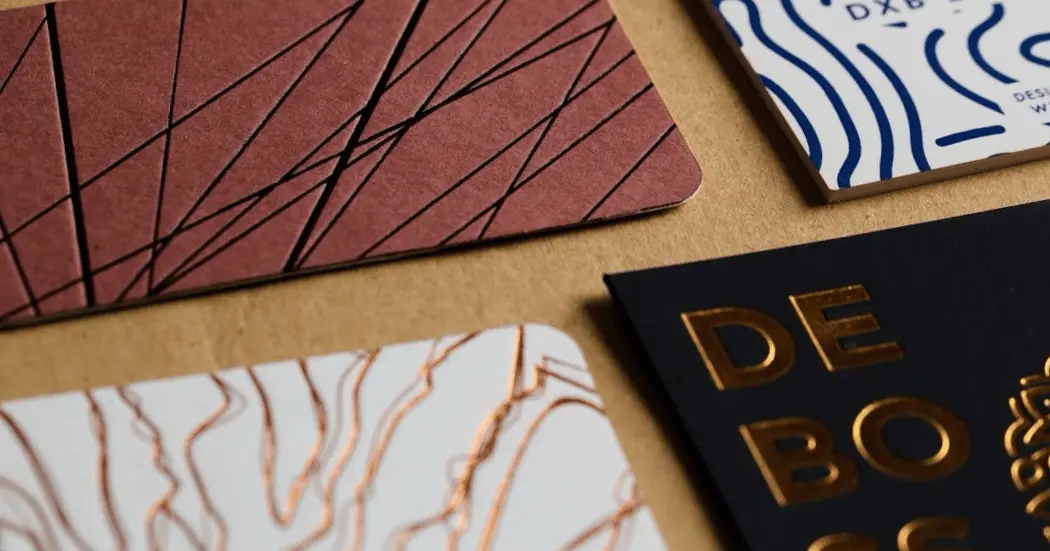
The Ultimate Guide to Business Card Printing in Dubai (2026)Why Business Cards Still Matter in Dubai
In a city where business runs on relationships, your business card is often the first physical impression someone has of your brand. Despite the rise of digital networking, Dubai’s business culture remains deeply rooted in face-to-face meetings, handshakes, and the exchange of beautifully crafted business cards. Whether you’re attending a conference at the Dubai World Trade Centre, networking at a DIFC event, or meeting a potential client over coffee in Business Bay, having a professional business card is non-negotiable.
A well-designed card communicates professionalism, attention to detail, and the quality of your work before you even say a word. In a market where first impressions can make or break a deal, investing in premium business cards is one of the smartest branding decisions a Dubai business can make.
Types of Business Cards Available in Dubai
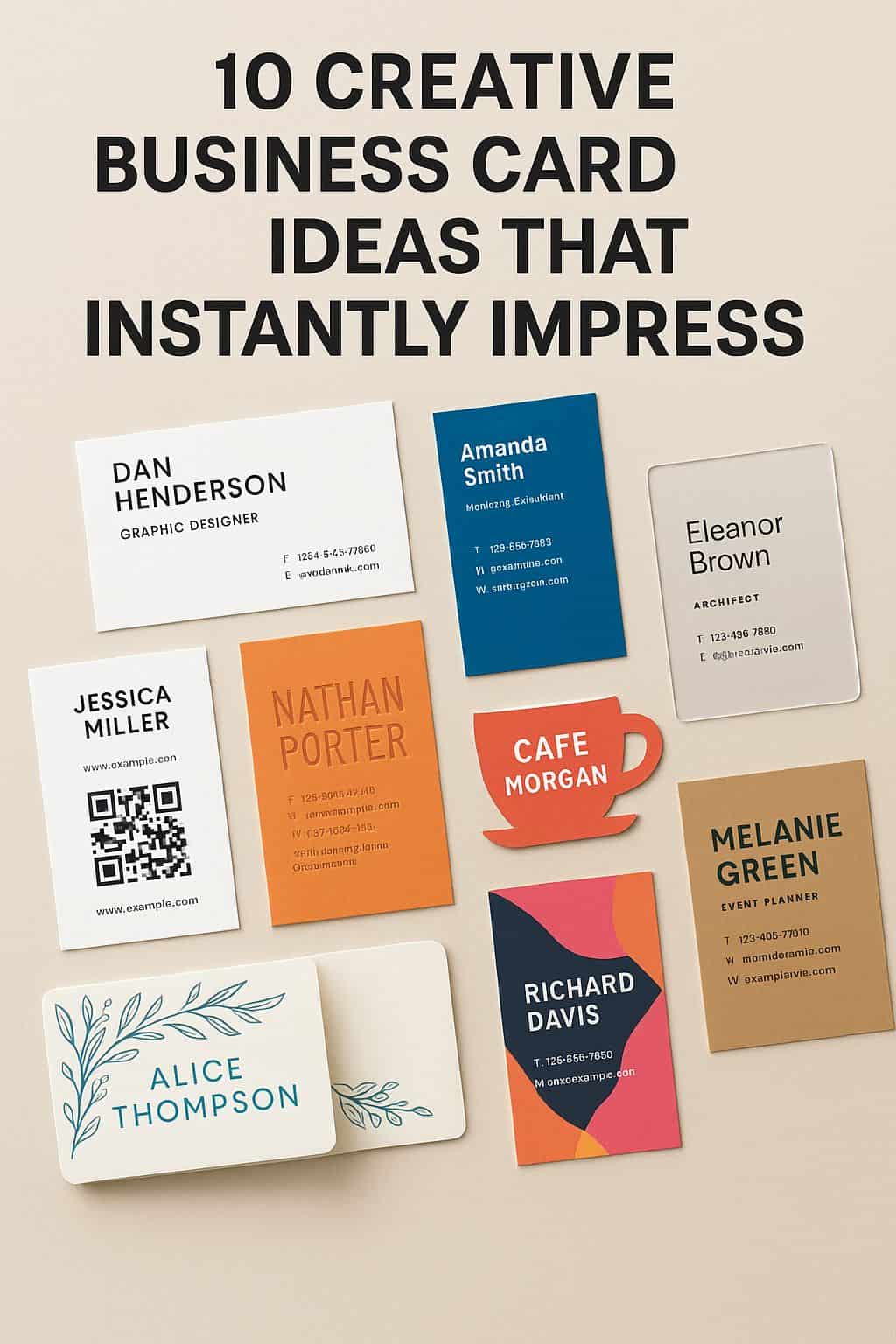
Gone are the days when business cards came in just one style. Today, Dubai businesses have access to a wide range of options, each designed to leave a different impression:
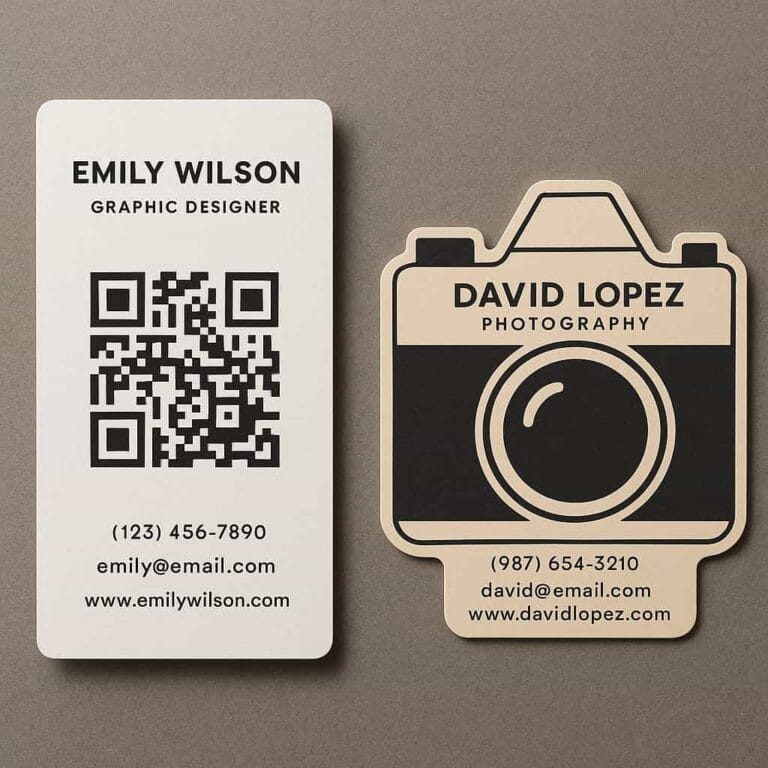
[IMAGE 2: Side-by-side comparison of different business card types – standard, folding, die-cut]
Alt text: “Types of business cards available in Dubai – standard, folding, and die-cut options”
Standard Business Cards are the most popular choice for everyday networking. Printed on 350 GSM art matt paper with CMYK full-color printing, these cards offer a professional look with a quick 1-day turnaround. They’re ideal for employees across all departments where you need quality at volume.
Folding Business Cards give you double the space of a standard card. They’re perfect for businesses that need to include extra information like a mini menu, service list, or appointment schedule. The fold itself creates intrigue and sets your card apart.
Die-Cut Business Cards break away from the traditional rectangle with custom shapes that match your brand. A real estate agency might have a house-shaped card, while a bakery could use a cupcake shape. These are conversation starters that people keep.
Sandwich Business Cards feature multiple layers of paper pressed together, creating a thick, luxurious feel with a colored edge that’s visible from the side. Production takes 5-6 working days due to the layering process, but the result is a card that screams premium quality.
[IMAGE 3: Close-up of foiling and embossed business cards showing metallic details and raised texture]
Alt text: “Premium foiling and embossed business cards printing in Dubai”
Foiling Business Cards add a metallic gold or silver accent to your design. The reflective foil catches the light and draws attention to your logo or name, making these cards a favourite among luxury brands, real estate agents, and high-end service providers in Dubai.
Textured Business Cards use specialty paper with a tactile surface that you can feel when you hold the card. The texture adds a sensory element that standard cards can’t match, making these cards memorable long after the meeting ends.
Embossed Business Cards feature raised lettering or designs that create a three-dimensional effect. The embossing process presses your design into the paper, creating an elegant, upscale look and feel that’s popular among executives, lawyers, and financial advisors.
Paper Weight and Material Guide
Paper weight is measured in GSM (grams per square metre). For business cards, you want paper that feels sturdy and professional in the hand. Here’s what the numbers mean:
250-300 GSM is considered lightweight for business cards. While it’s technically usable, cards at this weight feel thin and can bend easily. We don’t recommend this range for professional use.
350 GSM is the industry standard for business cards and what we use for our standard cards. It strikes the perfect balance between sturdiness and cost-effectiveness. When paired with matte or glossy lamination, 350 GSM cards feel premium without the premium price tag.
400+ GSM is the choice for luxury business cards. These cards feel thick and substantial in the hand. Sandwich cards, which combine multiple layers, can exceed 600 GSM, creating an unmistakable impression of quality.
One factor unique to Dubai is the climate. With high humidity levels, especially during summer months, choosing laminated finishes (either matte or glossy) helps protect your cards from moisture damage and ensures they look sharp year-round.
Printing Techniques Explained
[IMAGE 4: Printing process in action – offset or digital printing machine producing business cards]
Alt text: “Business card printing techniques – digital and offset printing in Dubai”
Digital Printing uses CMYK colour technology to produce vibrant, full-colour cards with sharp details. It’s ideal for runs of 100 to 1,000 cards and offers the fastest turnaround. Digital printing is perfect for standard business cards where colour accuracy and speed are priorities.
Offset Printing is the preferred method for larger runs (1,000+ cards). It offers exceptional colour consistency across the entire batch and a slightly wider colour gamut than digital printing. For companies ordering cards for an entire team, offset printing provides the best per-unit value.
Foil Stamping applies a thin layer of metallic foil (gold, silver, rose gold, or holographic) to specific areas of your card using heat and pressure. The result is a reflective, eye-catching finish that elevates any design. See our foiling business cards for examples.
Embossing and Debossing create raised or recessed areas on the card surface without ink. Embossing pushes the design upward, while debossing presses it down. Both add a tactile dimension that makes your card impossible to ignore. Explore our embossed business cards to see the effect.
Spot UV applies a glossy, raised coating to specific areas of a matte card, creating a contrast between matte and shiny surfaces. It’s a subtle but effective way to highlight your logo or key text.
Finishes: Matte vs Glossy
Matte lamination gives your card a smooth, non-reflective surface with a sophisticated, modern feel. It’s easier to write on (useful if you want to add handwritten notes during meetings) and resists fingerprints. Matte is currently the most popular finish among Dubai professionals.
Glossy lamination provides a shiny, vibrant finish that makes colours pop. It’s a great choice for colourful designs, photographs, or brands that want a bold, energetic look. Glossy cards are also slightly more resistant to moisture.
Standard Sizes and Custom Shapes
The standard business card size in the UAE is 85 x 55mm (similar to the European standard). However, some businesses opt for the slightly larger 90 x 55mm size for extra design space. For folding cards, the flat size is typically 170 x 55mm (bi-fold) or 255 x 55mm (tri-fold), which folds down to the standard size.
Custom shapes are also available through die-cutting. You can create virtually any shape, from rounded corners and circles to brand-specific silhouettes. Custom shapes cost more due to the die-cut tooling, but the memorability factor is worth the investment for brands looking to stand out.
[IMAGE 5: Various business card sizes and custom die-cut shapes laid out for comparison]
Alt text: “Custom business card sizes and die-cut shapes available in Dubai”
Turnaround Time and Delivery in Dubai
Standard business cards can be completed in just 1 working day once the design is approved. Premium cards like sandwich, embossed, or die-cut cards require 5-7 working days due to the additional production steps involved.
We offer delivery across Dubai, including Business Bay, DIFC, JLT, Dubai Marina, Bur Dubai, Deira, and all other areas. Urgent orders can be discussed on a case-by-case basis through our WhatsApp line.
How Much Do Business Cards Cost in Dubai?
Business card pricing in Dubai varies based on the card type, quantity, paper weight, and finishes. Standard cards are the most affordable option, while premium options like sandwich or foil-stamped cards are priced higher due to the specialised production processes.
Generally, higher quantities result in lower per-card costs. We recommend ordering in batches of 250, 500, or 1,000 to get the best value. Contact us for a specific quote tailored to your needs.
Why Choose Perklets for Your Business Cards
Perklets Print has been serving Dubai businesses since 2014 with professional printing services. Based in Bur Dubai, we combine the latest digital and offset printing technology with hands-on expertise to deliver business cards that make an impression. With 7 different card types, multiple paper options, and a range of premium finishes, we offer one of the widest business card selections in Dubai.
Our process is simple: share your design (or let us create one for you), approve a digital proof, and receive your cards as fast as the next working day. Every order is quality-checked before delivery to ensure colours are accurate and finishes are flawless.
Ready to order? Contact Perklets Print today for a free quote on your custom business cards. Call +971 50 672 7786 or WhatsApp us for instant pricing.
Frequently Asked Questions
What is the best type of business card for networking in Dubai?
For everyday networking, standard business cards on 350 GSM with matte lamination are the most popular choice. For premium events, consider foiling or embossed cards.
How fast can I get business cards printed in Dubai?
Standard cards can be ready in 1 working day. Premium cards like sandwich, embossed, or die-cut take 5-7 working days.
What paper weight should I choose?
350 GSM is the industry standard and recommended for most business cards. For luxury cards, go with 400+ GSM or sandwich cards (600+ GSM).
Do you deliver business cards across Dubai?
Yes, we deliver to all areas including Business Bay, DIFC, JLT, Dubai Marina, Bur Dubai, Deira, and more.
Posted in UncategorizedLeave a Comment on The Ultimate Guide to Business Card Printing in Dubai (2026)