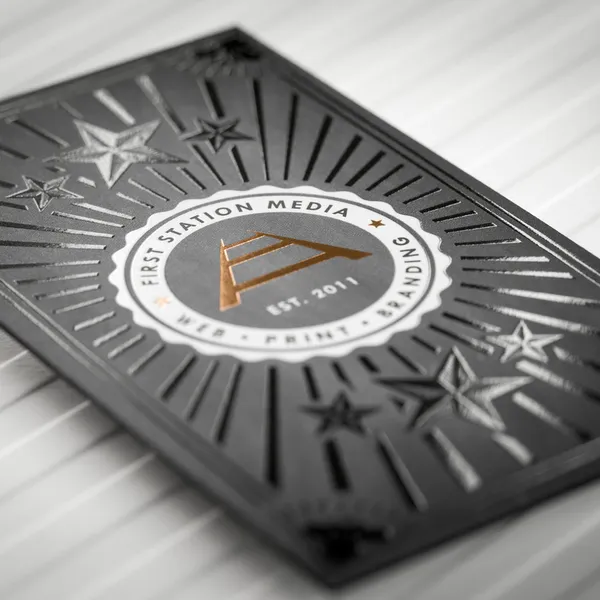

Embossed Flyers
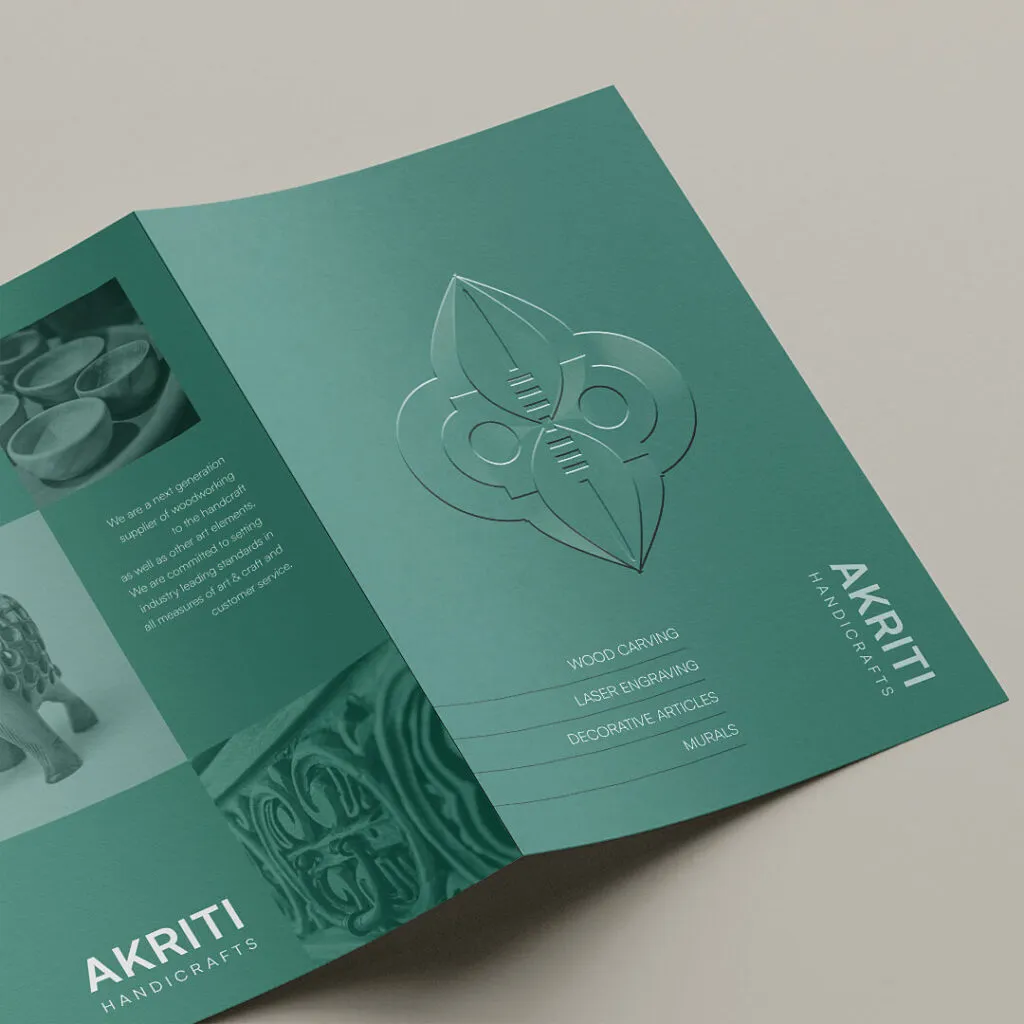
Embossed flyers add a physical third dimension to your printed materials. Using precision metal dies, we create raised (emboss) or recessed (deboss) areas on your flyer that you can feel with your fingertips. This tactile quality makes your marketing piece interactive — people naturally run their fingers over the raised surface, spending more time engaging with your message.
Embossing works beautifully on logos, headings, borders, and decorative elements. It can be combined with foil stamping or Spot UV for maximum visual and tactile impact, or used on its own for a subtle, understated elegance that communicates craftsmanship and attention to detail.
Our embossed flyers are produced on 300-350 GSM card stock to ensure the embossed areas hold their shape and maintain crisp definition. Available in A4, A5, and custom sizes with both blind embossing (no ink on the raised area) and registered embossing (aligned with printed elements).
Product Specifications
Summary Options
Design Guidelines
Provide your artwork plus a separate layer/file indicating which areas should be embossed or debossed.
- Bleed area: 3mm on all sides
- Crop area: Matches your chosen flyer size (A4, A5, or DL)
- Safe area: 5mm inside the crop line — keep text and logos within this boundary
Accepted formats: PDF (with emboss layer), AI, EPS, PSD (300 DPI minimum)
Quantity
FAQs: Embossed Flyers
What is the difference between embossing and debossing?
Embossing raises the design above the paper surface, creating a raised relief. Debossing pushes the design into the paper, creating an indented impression. Both add tactile dimension to your flyer.
What is blind embossing?
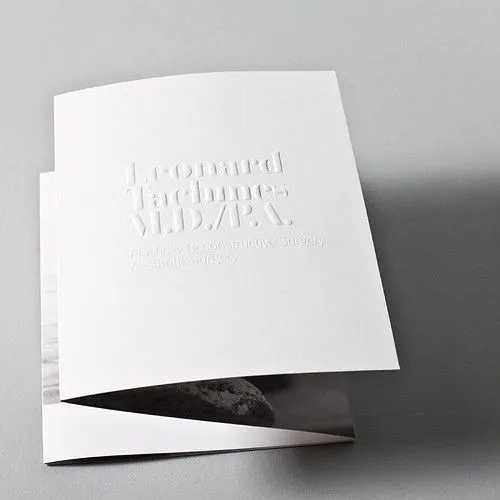
Blind embossing means the raised area has no ink or foil — the design is defined purely by the relief of the paper itself. It creates a subtle, elegant effect that catches the light and is felt by touch.
Can embossing be combined with foil?
Yes, foil stamping and embossing combine beautifully. The foil adds metallic shine while the embossing adds physical depth, creating a multi-sensory premium finish that is extremely impressive.
What paper weight is needed for embossing?
We recommend 300-350 GSM stock for embossing. Thicker paper holds the embossed impression better and produces a more defined, lasting relief.
How detailed can embossing be?
Our precision dies can reproduce fine details including text as small as 8pt, thin lines, and intricate patterns. However, very fine elements may lose definition — we recommend a minimum line width of 0.5mm for best results.