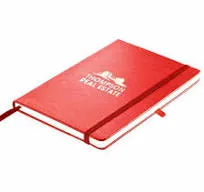
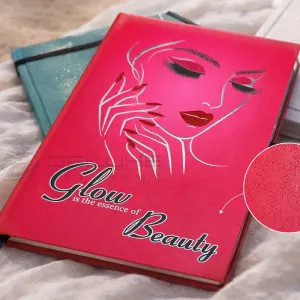
Embossed Notebooks
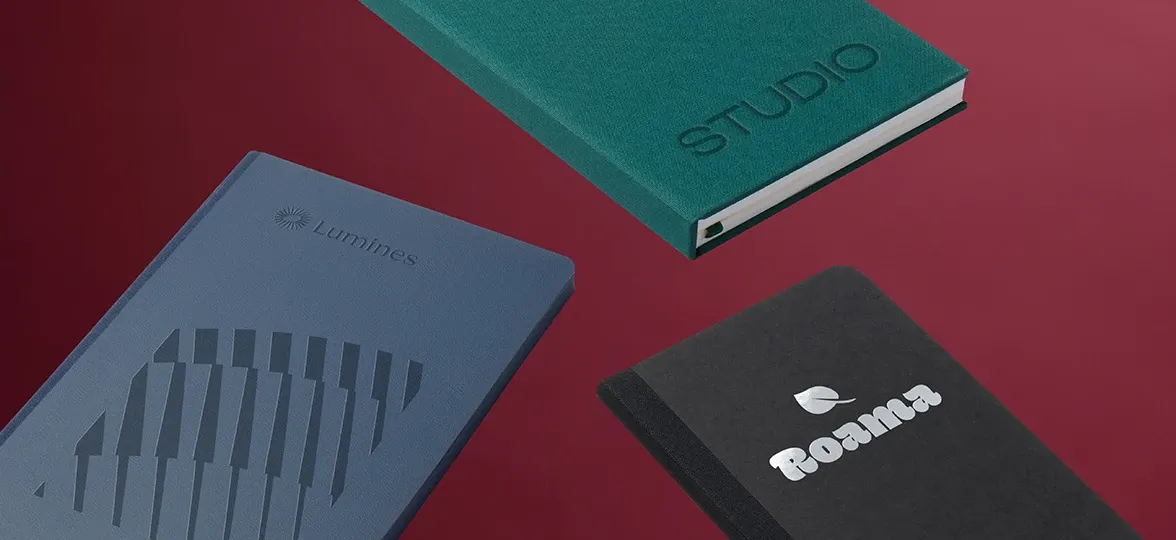
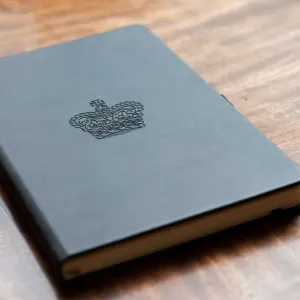
Embossed notebooks feature raised or recessed impressions pressed into the cover material, creating a three-dimensional texture that you can see and feel. This technique transforms a flat cover into a tactile experience — recipients instinctively run their fingers over the embossed logo, creating a memorable brand interaction.
At Perklets Print, we offer both embossing (raised impression) and debossing (recessed impression) on a variety of cover materials including thick card stock, textured paper, leatherette, and specialty stocks. Multi-level embossing creates even more dramatic depth, with different elements raised to different heights.
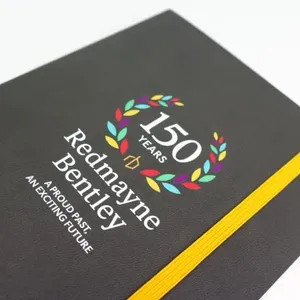
Embossed notebooks are the choice for brands that want to stand apart. The tactile quality signals quality and attention to detail. Combined with foil or spot UV on the embossed areas, the effect is striking — a cover that catches both the eye and the fingertips.
Product Specifications
Summary Options
Design Guidelines
Provide vector artwork for the embossed/debossed area. Indicate which elements are raised vs recessed. Minimum line thickness: 0.5mm for embossing.
- Bleed area: 3mm bleed on cover printing. Embossed area should be at least 5mm from trim edges.
- Crop area: A5 cover flat size varies by binding type. Provide artwork at finished size.
- Safe area: Embossed elements should be at least 8mm from trim edges. Fine details under 0.5mm may not emboss clearly.
Accepted formats: AI, EPS (vector required for embossing die). PDF, PSD for printed elements.
Quantity
FAQs: Embossed Notebooks
What is the difference between embossing and debossing?
Embossing raises the design above the surface of the cover, creating a protruding 3D effect. Debossing presses the design into the surface, creating a recessed impression. Both create a tactile, premium finish.
Can I combine embossing with other finishes?
Yes, embossing works beautifully with foil stamping (gold/silver foil in the embossed area), spot UV (glossy coating on the raised area), and full-colour printing underneath. These combinations create multi-sensory covers.
What materials work best for embossing?
Thicker materials hold embossed impressions better. We recommend 350 GSM+ card stock, leatherette, or textured specialty papers. Thin paper stocks are not suitable for deep embossing.
Is there a minimum detail size for embossing?
Yes, lines must be at least 0.5mm thick and text should be at least 8pt for clear embossing. Very fine details may not reproduce well. Our team will advise during pre-press if any adjustments are needed.
How is the embossing die made?
We create a custom metal die (brass or magnesium) from your vector artwork. The die is a one-time cost included in your first order. For repeat orders, the same die is reused at no additional charge.